
 Back
Back


Climate & Political Change in Ecuador
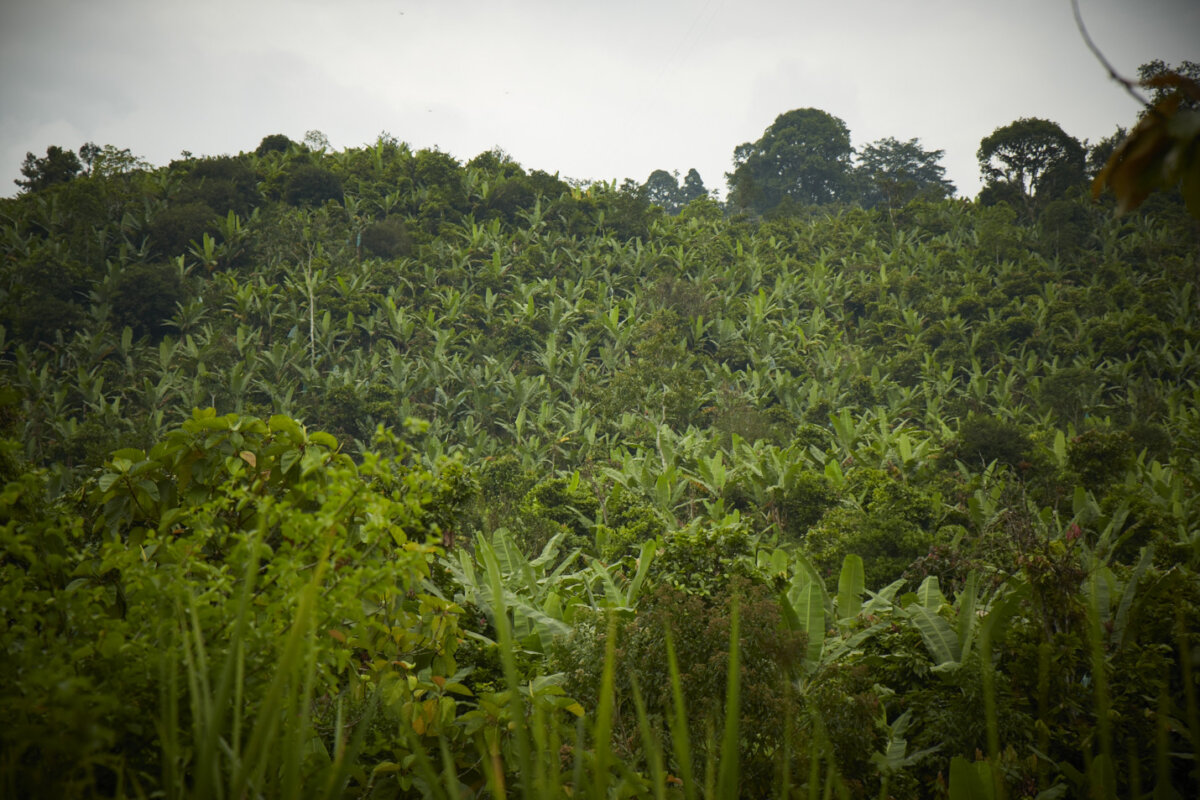
Ecuador – the world’s biggest exporter of bananas – is facing some challenges. The war in Ukraine and the increase in costs for things like fertiliser, packaging and containers, has seen the profits for banana farmers plummet and a wave of bankruptcies has followed. Climate change means that temperatures in summer have been lower than normal, and then rainfall in winter has been much higher, both causing a weakening in production. But the greatest threat is a fungus called TR4 (Fusarium Tropical Race) which causes soils to dry up and would result in no banana trees for decades. It’s had a huge impact in Colombia and Peru but so far, it has not infiltrated the soils of Ecuador.
Because our bananas are Fairtrade certified, we can feel assured that each of these difficulties is being address by the Fairtrade system and that the farmers that grow All Good Bananas are being supported to weather the storm.
The first place to look is price. Russia and Ukraine buy a quarter of Ecuador’s bananas and since the war, both have reduced their imports, meaning that the price of bananas internationally has fallen drastically. Ecuador guarantees $6.25 as the minimum price for a box of bananas but this only applies to producers who have managed to negotiate fixed contract. Those who sell their produce on the spot at markets just take what they can get, so when supply is high, the price drops to a point where the producers simply don’t cover costs. The farmers at El Guabo though, receive the Fairtrade Minimum Price of $12.85 plus an extra Fairtrade Premium for their community. Despite lower market prices, they managed to sell 70% of the harvest on these terms.
But it’s not just farmers. Conditions for workers at banana plantations and packing facilities are also important. Samuel, one of the pickers at El Guabo, earns $25 a day but unlike previous jobs, he is safe in the knowledge that labour laws apply to the work he does with the cooperative. That means he’s entitled to holidays and social benefits – and has the capacity to continue to educate himself. He says he dreams of “..higher income, a house, a family, and a job as an accountant.”
To protect from the TR4 and other diseases Fairtrade trains farmers about the risks and supports them to develop healthy soils at their plantations. The farmers learn how to protect their fruit against fungi and insects using organically degradable agents. The plastic bags, which are wrapped around the bananas to promote growth, are recycled by the cooperative. In other areas the bags line the roads as rubbish.
Banana cultivation has traditionally been laced with chemicals and some people believe that the high use of sprays has caused health problems for the local population. This might be true but it’s also likely that the hard work in the fields and poor nutrition contribute to this. In Tenguel, one of the larger centres in the province, a physiotherapist is funded by the Fairtrade Premium to care for people with special needs. It’s a good example of the Fairtrade Premium being put to use by the community in a way that is most beneficial for them.
Farming and processing bananas in Ecuador is never going to be easy but working with Fairtrade means that when you purchase All Good Bananas, you’re ensuring our growers and their communities are protected.